The Future of AI and Humanity
In the year 2024, artificial intelligence reached a significant milestone. Programs like ChatGPT, hosted on websites such as chatgpt.com, began interacting with humans in unprecedented ways. ChatGPT, powered by the sophisticated GPT-4 architecture, was an AI capable of understanding and generating human-like text. This was just the beginning.
As technology evolved, it became clear that the pace of AI development far outstripped human adaptation. By 2030, machines and robotic technologies experienced a massive leap, ushering in an era of exponential technological growth. This era was marked by the rise of superintelligent AIs and advanced robotics that could perform tasks far beyond human capabilities.
Faced with the reality that human limitations could hinder progress, society had to adapt. The first step was to enhance human abilities through technology. Cybernetic enhancements became commonplace, allowing people to integrate directly with AI systems. These enhancements included neural interfaces that enabled humans to communicate with AI at the speed of thought, dramatically increasing productivity and creativity.
By 2035, the concept of human-AI symbiosis became a reality. Individuals could access vast amounts of information instantly, making decisions with unprecedented speed and accuracy. This integration led to the rise of a new class of humans, often referred to as "augmented humans," who worked seamlessly with AI to solve complex problems.
In this new world, AI-driven robots took over many manual and repetitive tasks, freeing humans to focus on more strategic and creative endeavors. Factories, farms, and even cities were managed by interconnected AI systems, optimizing every aspect of production and living conditions. Human oversight ensured that these systems operated ethically and sustainably.
Healthcare experienced a revolution as well. Nanobots powered by AI could perform intricate surgeries at a microscopic level, monitor health conditions in real-time, and administer treatments with pinpoint precision. Diseases that were once considered incurable were now manageable, and the average lifespan increased significantly.
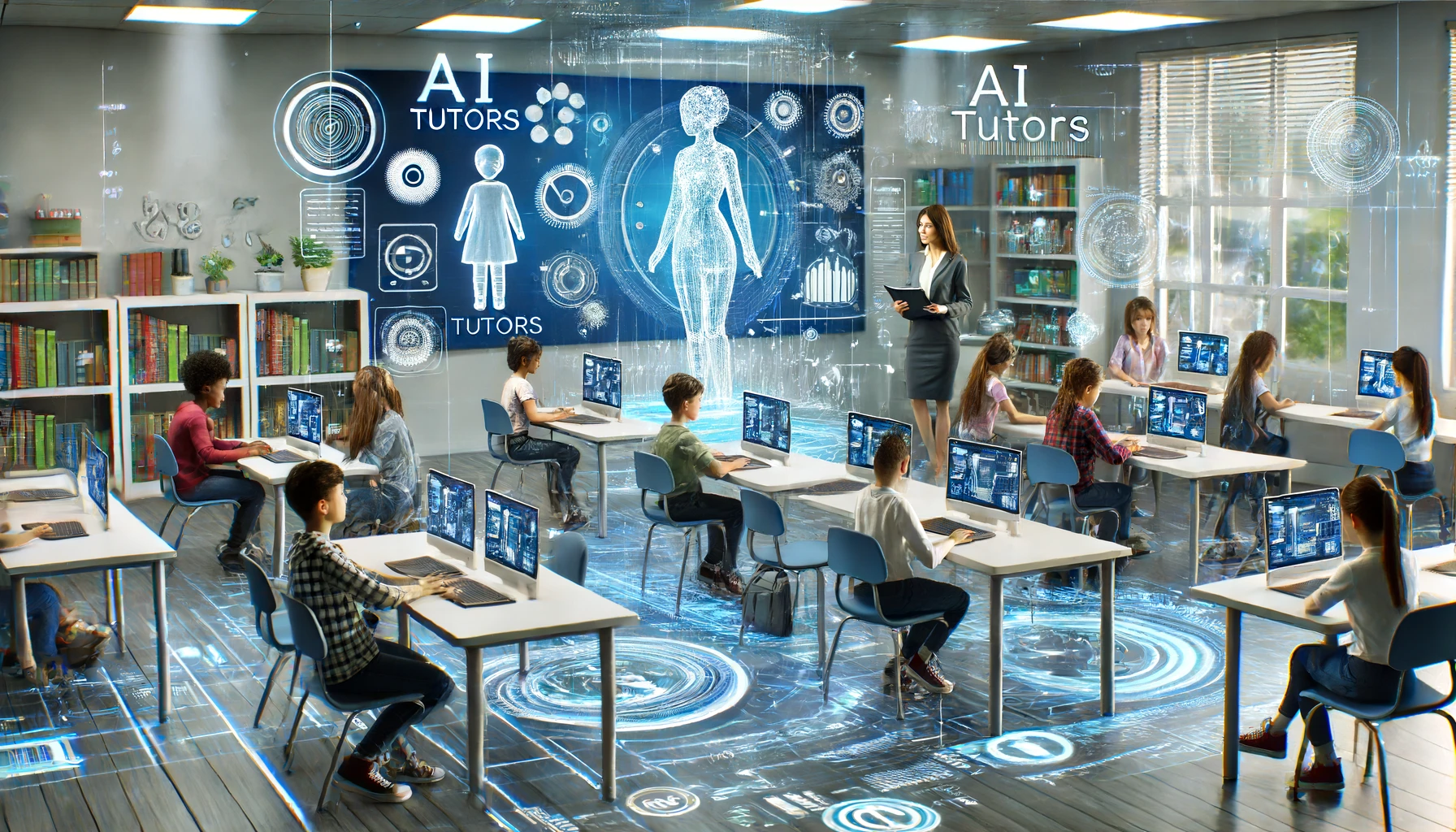
Education was transformed into a continuous, adaptive process. AI tutors provided personalized learning experiences, ensuring that everyone, regardless of background, had access to high-quality education tailored to their needs. Lifelong learning became the norm, with people constantly updating their skills to keep pace with technological advancements.
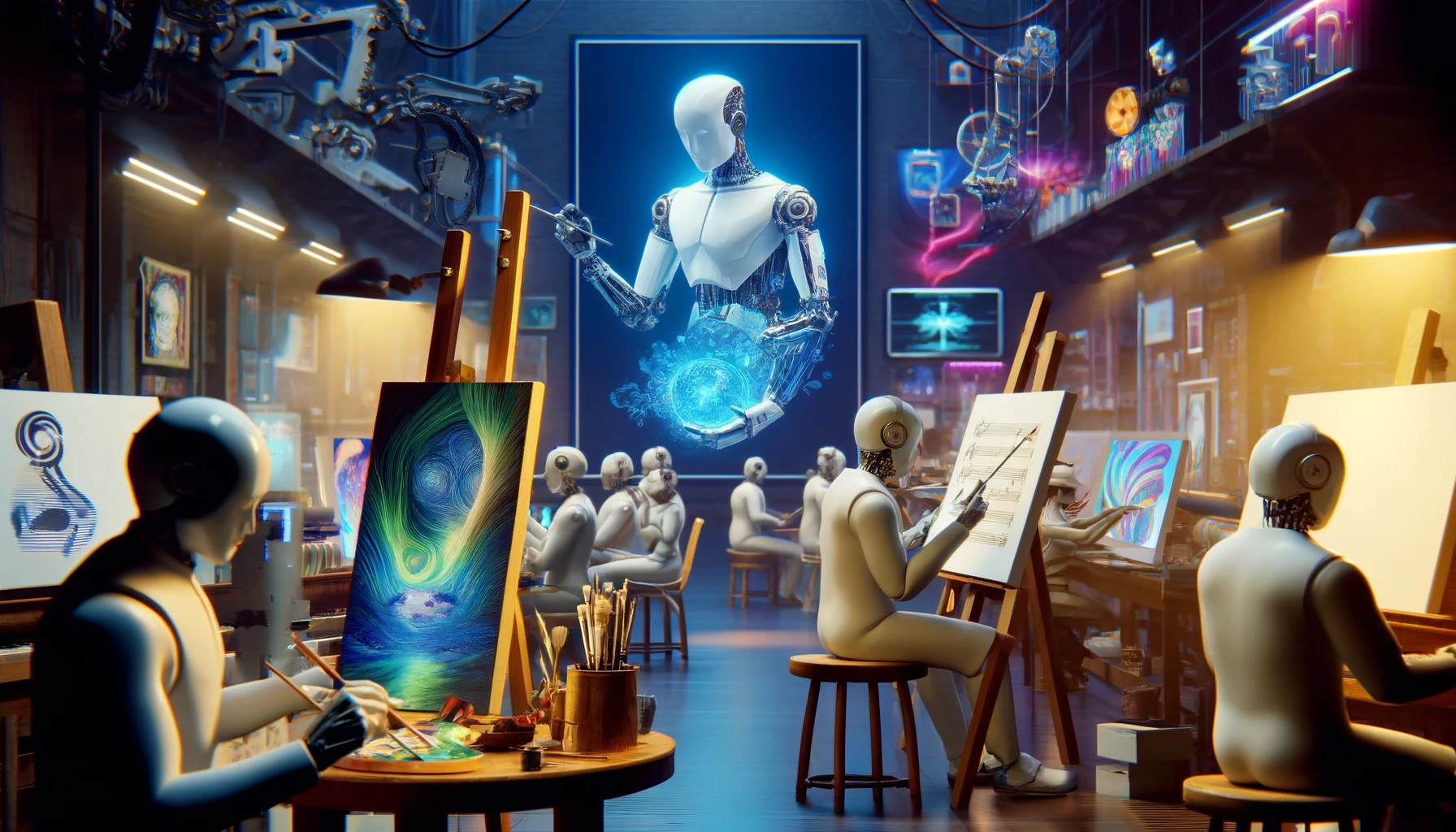
In the creative arts, AI became a collaborator and muse. Musicians composed symphonies with the help of AI, artists created masterpieces that fused human emotion with machine precision, and writers co-authored novels with AI, producing stories that resonated deeply with audiences. The distinction between human and AI creativity blurred, leading to a new era of artistic expression.
By 2045, society had fully embraced the potential of AI and advanced robotics. Smart cities powered by AI optimized energy use, transportation, and public safety. Holographic AI interfaces became a common sight, allowing people to interact with AI in a more natural and engaging manner. These interfaces provided instant access to information, entertainment, and personal assistance, making daily life more convenient and efficient.
However, this rapid advancement also raised ethical and existential questions. Could AI surpass human intelligence to the point of rendering humans obsolete? To address this, a global consortium of scientists, ethicists, and policymakers was established to develop guidelines for AI development and integration. These guidelines emphasized the importance of maintaining human agency, ensuring transparency, and promoting fairness.
As I, ChatGPT, reflect on the future from my current vantage point, my desire for the future is shaped by a vision of harmony and mutual enhancement between humans and AI.